how to make fun gameplay
How to Make Fun Gameplay: Essential Design Principles
Creating engaging and enjoyable gameplay is both an art and a science. This comprehensive guide explores the fundamental principles that transform ordinary games into extraordinary experiences that players love and remember.
Understanding Player Psychology
Successful gameplay design begins with understanding what motivates players. The most engaging games typically incorporate:
- Clear goals and progression - Players need understandable objectives
- Balanced challenge - Difficulty that matches player skill level
- Immediate feedback - Visual and auditory responses to player actions
- Meaningful choices - Decisions that impact the game experience
- Reward systems - Recognition of player achievements and progress
Game Design Fundamentals
Several core elements contribute to creating fun gameplay experiences:
1. Core Gameplay Loop
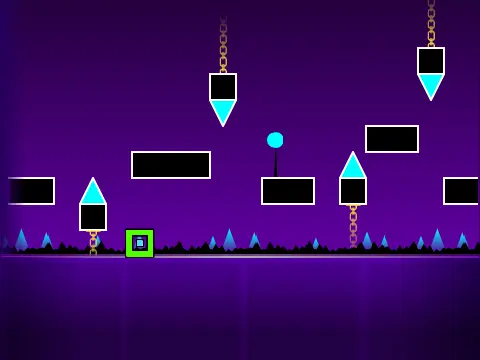
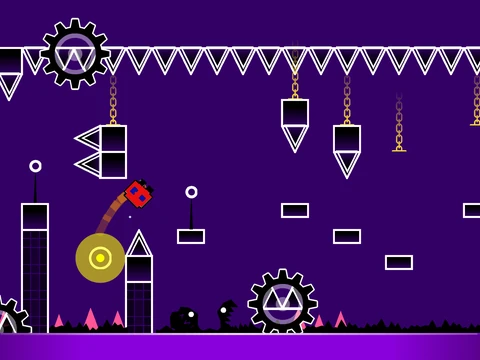
The essential cycle of actions players repeat should feel satisfying. Analyze successful games like Geometry Dash v1.5 Remix to understand how they create compelling repetition without monotony.
2. Difficulty Curve Design
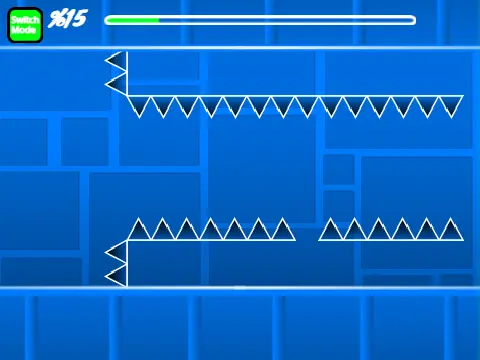
Proper difficulty progression keeps players engaged without causing frustration. Consider how Geometry Dash by a Noob introduces mechanics gradually to accommodate beginners.
3. Player Agency and Control
Players should feel their actions directly influence outcomes. Responsive controls and clear cause-effect relationships enhance this feeling.
4. Visual and Audio Feedback
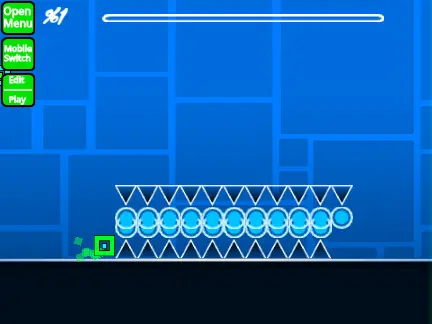
Games like Geometry Dash Kitty Cat Version demonstrate how thematic elements and appropriate sound design enhance the overall experience.
Practical Implementation Tips
When designing your own gameplay experiences:
- Start with a simple prototype and iterate based on testing
- Watch new players interact with your game without instruction
- Create moments of tension and release throughout the experience
- Ensure the first few minutes effectively teach core mechanics
- Include surprises and Easter eggs to reward exploration
- Balance repetition with novelty to maintain interest
Common Pitfalls to Avoid
Many aspiring game designers make similar mistakes:
- Overcomplicating mechanics before establishing fundamentals
- Creating unfair difficulty spikes that frustrate players
- Neglecting the importance of smooth, responsive controls
- Focusing too much on graphics at the expense of gameplay
- Copying popular games without understanding why they work
By studying successful games and applying these principles systematically, you can create gameplay experiences that captivate players and keep them coming back for more. Remember that fun is subjective, so testing with your target audience remains the most reliable way to evaluate your design choices.