geometry dash 2.2 platformer mode
Geometry Dash 2.2 Platformer Mode - Revolutionary Update
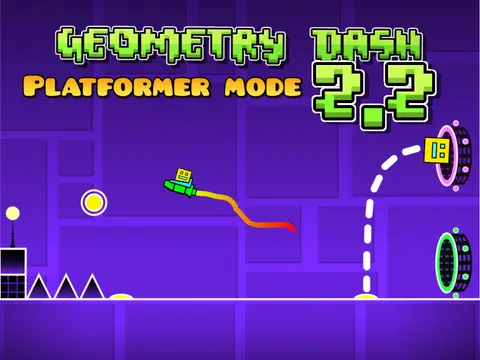
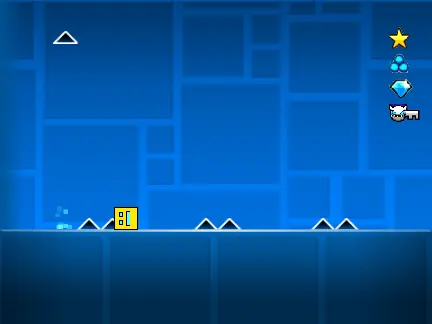
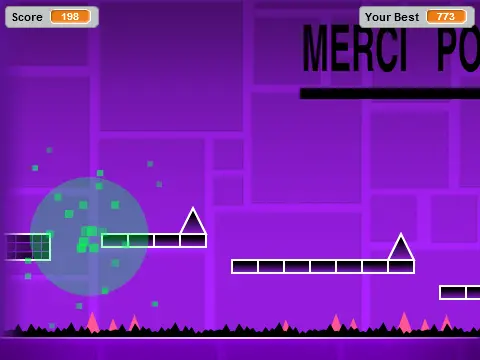
The Geometry Dash 2.2 Platformer Mode represents one of the most significant updates to the game's core mechanics since its inception. This groundbreaking feature transforms the traditional auto-runner experience into a fully controllable platformer, offering players unprecedented movement freedom and creative possibilities.
Game-Changing Mechanics
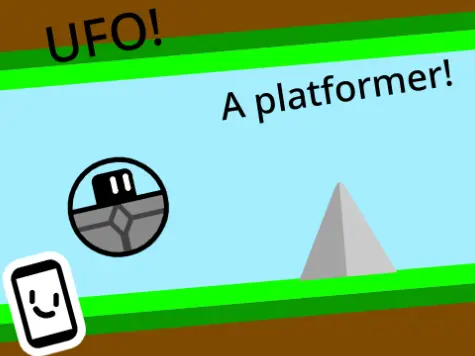
Platformer Mode introduces traditional left-right movement controls, allowing players to navigate levels at their own pace rather than being locked to automatic forward progression. This fundamental shift opens up new design possibilities for level creators and provides fresh challenges for players accustomed to the original gameplay style.
Control System
Players now have precise control over their character's horizontal movement, jumping timing, and directional changes. The control scheme maintains the tight responsiveness Geometry Dash is known for while expanding the range of possible actions and maneuvers.
Level Design Innovation
With the introduction of Platformer Mode, level creators can design more complex environmental puzzles, timing-based challenges, and exploration-focused stages. The update encourages vertical level design and backtracking elements previously impossible in the auto-runner format.
New Gameplay Elements
The update introduces interactive objects, moving platforms, and environmental triggers that respond to player actions. These elements work in harmony with the rhythm-based foundation of Geometry Dash, creating a unique hybrid gameplay experience.
Community Impact
Platformer Mode has revitalized the Geometry Dash community, inspiring creators to develop entirely new types of levels and challenges. The expanded creative tools have led to innovative level designs that blend traditional platforming with rhythm game mechanics.
Learning Curve
While familiar to platformer veterans, the new control scheme presents a learning curve for existing Geometry Dash players. The transition from automatic forward movement to full directional control requires adjustment but ultimately expands gameplay depth.