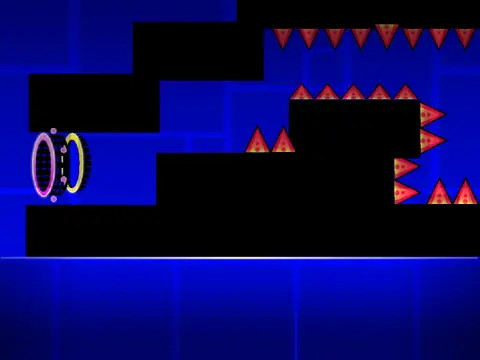
geometry dash wave challenge
Geometry Dash Wave Practice Challenge
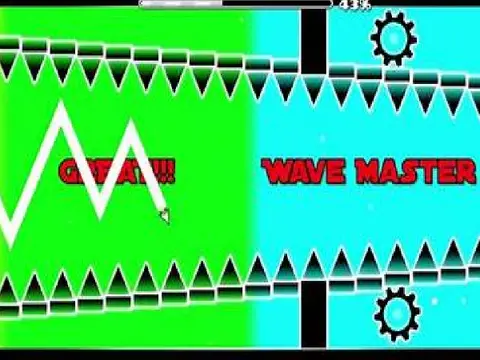
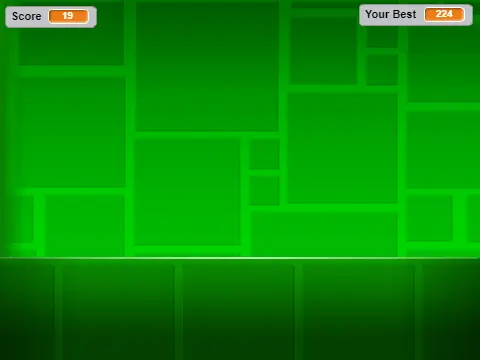
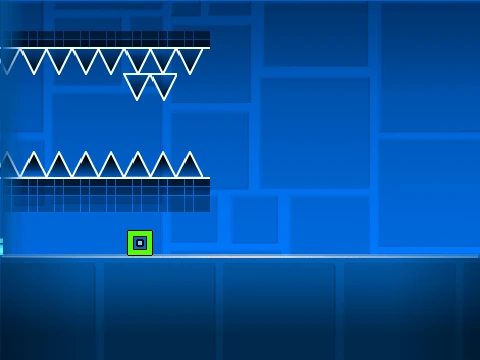
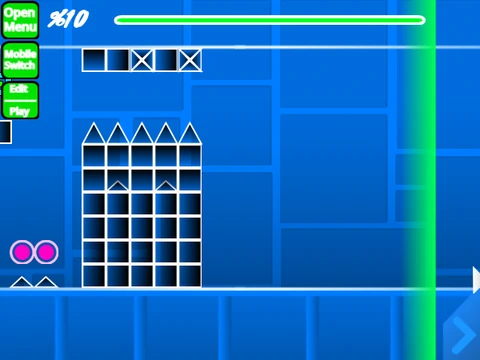
This specialized training level provides focused practice for mastering wave mechanics in Geometry Dash. Designed as a skill-building challenge, it allows players to develop the precise control needed for difficult wave sections in main levels. The straightforward objective - navigate past 320 - serves as a measurable benchmark for wave proficiency.
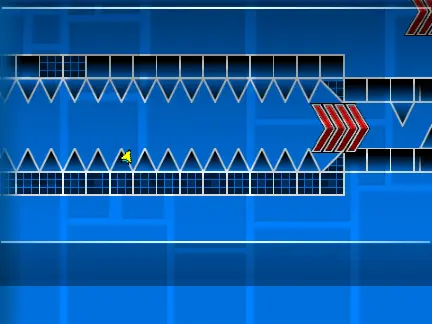
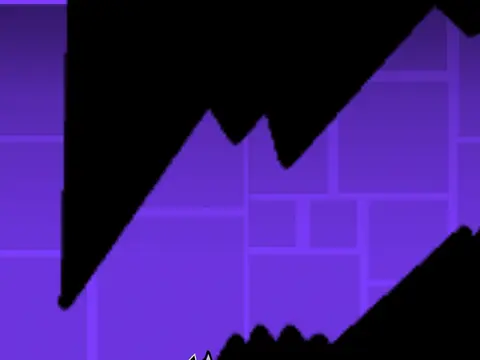
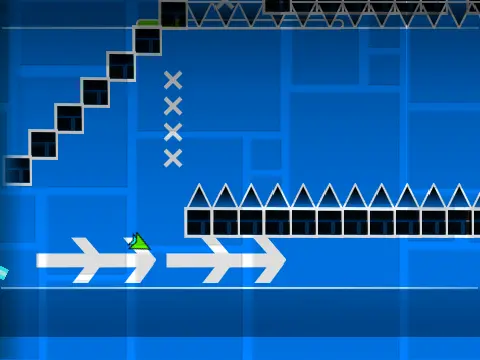
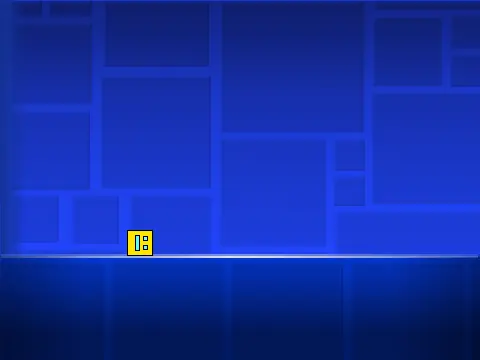
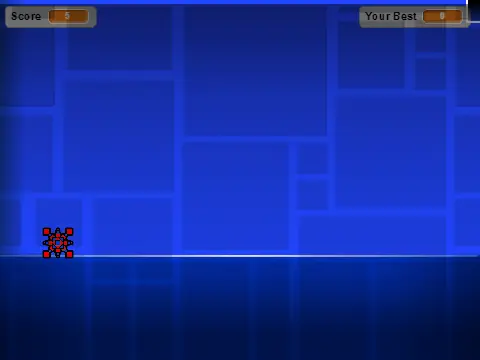
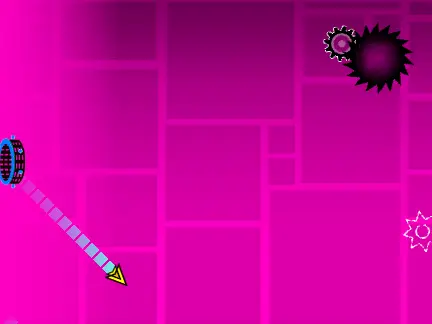
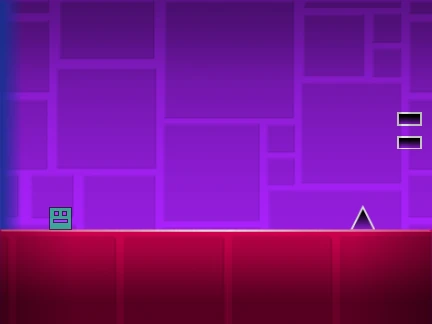
Control your wave using three different input methods: mouse click, space bar, or up arrow key. Each control option responds identically, allowing players to practice with their preferred input device. The physics follow standard Geometry Dash wave mechanics: pressing the control makes the wave ascend, while releasing causes descent. This fundamental practice helps build muscle memory for timing and pressure control during critical wave segments.
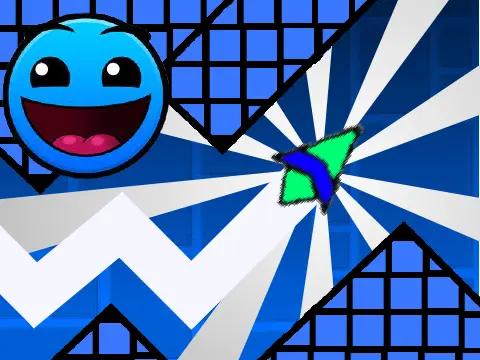
The challenge received significant difficulty enhancements in January 2020, making it more demanding for experienced players while remaining accessible for practice. A unique visual feature displays the wave character only during upward movement, adding an extra layer of challenge that tests prediction and rhythm skills. This design choice forces players to rely on timing rather than visual positioning cues.
First created in 2019, this practice level has evolved through community engagement and creator updates. Milestones include reaching 64 views in September 2019, celebrating 1.2k views in March 2022, and achieving 1.9k views by May 2023. The continued popularity demonstrates its value as a training tool within the Geometry Dash community.
As of June 2024, the challenge has attracted over 5.6k plays, indicating its effectiveness for players seeking to improve wave gameplay. Seasonal updates include New Year celebrations and ongoing difficulty adjustments that keep the challenge relevant for both new and returning players. Whether you're preparing for demon levels or simply refining basic skills, this dedicated practice environment offers focused repetition without the pressure of complex level design.