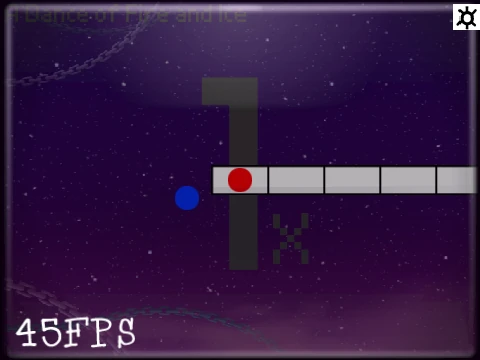
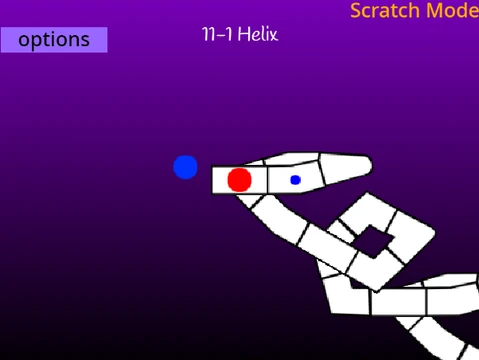
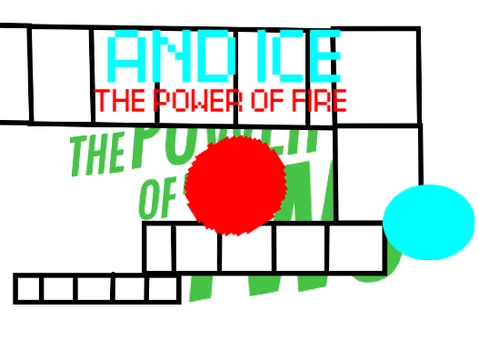
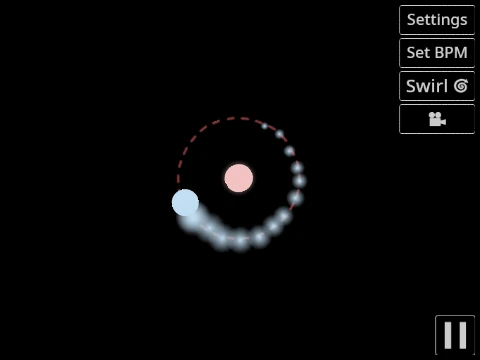
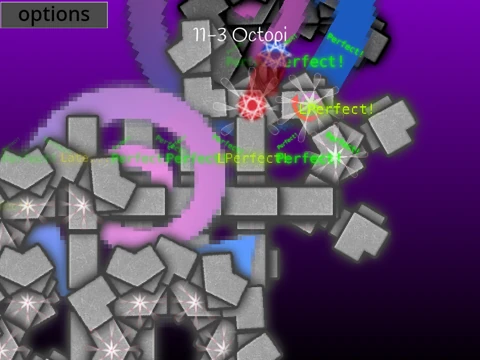
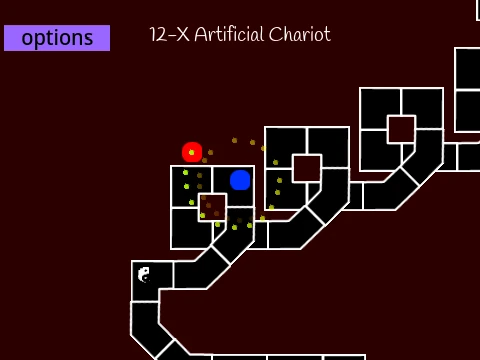
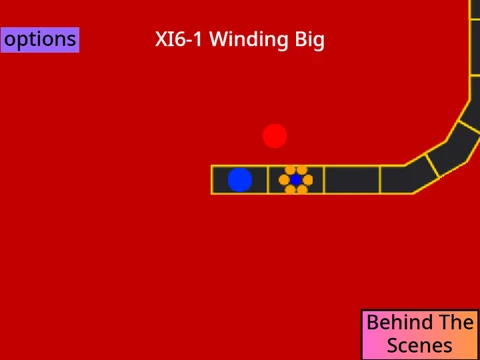
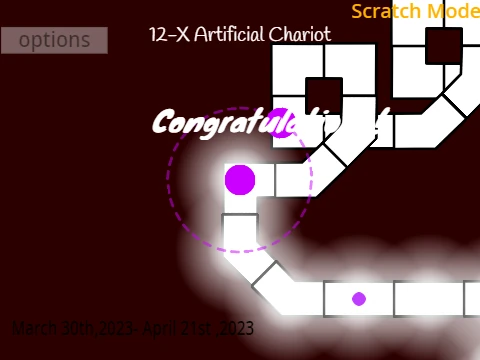
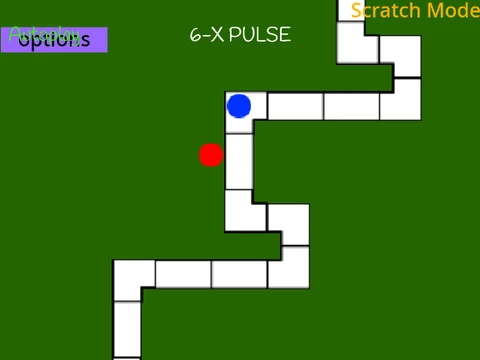
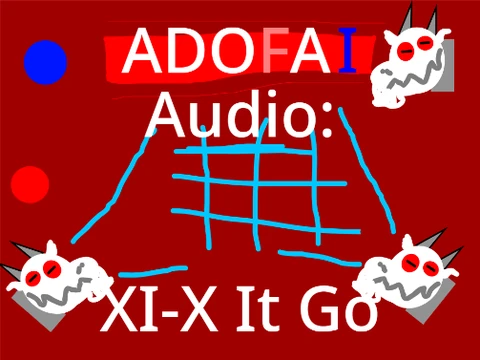
ADOFAI TPOT INTRO
TPOT INTRO: When Your Laptop Keyboard Hates You But You Love Rhythm Games Anyway
So I hadn't played ADOFAI in like... six months? Maybe longer. Life stuff, you know how it is. Then I see this TPOT INTRO level and think, "Hey, I remember being decent at this game. How hard could it be?"
Turns out: very. Very hard when you're playing on a laptop with a keyboard that has maybe three functioning keys that don't stick. And when your muscle memory has apparently decided to take an extended vacation.
I'm the kind of player who comes back after a break and needs to rebuild everything from scratch. Like my brain erased the folder labeled "rhythm game skills" to make room for... I don't know, grocery lists or whatever. So TPOT INTRO seemed like a good place to start. Short, focused, supposedly optimized for speedrunning.
#483: The number of active mappers has grown linearly, while the number of ultra-hard maps has grown exponentially.
Which explains why there are so many levels like this now. Back when I first played ADOFAI, community levels were mostly just... levels. Now everyone's trying to make the next impossible challenge or the most optimized speedrun route. TPOT INTRO falls into that latter category—it feels like every section was designed with timing optimization in mind.
#493: The average play session length for a grinding player is 2.1 hours.
That sounds about right. Except for me, it's more like 30 minutes of actual play and 90 minutes of staring at the screen wondering why my fingers won't cooperate. The goal with this level was to hit a specific time threshold. The creator even posted their best time in the description, which of course became my personal nemesis.
#1: On the 297th attempt at the same corner, my finger had already pressed, but my brain was still on the last beat.
That's the exact feeling! There's this one turn in TPOT INTRO—about two-thirds through—where I kept failing. Not because it's technically difficult, but because my brain and my finger were having a communication breakdown. I'd think "press now," my finger would press, and the star would just... fly off into the void. Again.
#11: The "first try after a long break" miracle pass that defies all logic and practice.
Here's the weird thing: on my very first attempt, I almost beat it. Got to the final section before messing up. Then spent the next two hours failing repeatedly on earlier parts. That's ADOFAI for you. It gives you hope, then systematically destroys it. In a fun way. Mostly.
#503: The "secret path" rumor is almost always false, but the search for it drives engagement.
Okay so I spent way too much time looking for some hidden shortcut in this level. Because speedrun levels often have those, right? Optimized routes, skips, that kind of thing. TPOT INTRO probably doesn't have one. Probably. But I'm still not convinced.
Playing this level makes me think like a scientist experimenting with practice methods. Which approach works best? Slow practice? Full-speed attempts? Breaking it into sections? Here's what I've figured out so far:
How many official levels does ADOFAI actually have? Enough that you shouldn't jump straight into community speedrun levels unless you hate yourself a little. But hey, that's what I did, so who am I to judge?
What are actually effective practice methods for hard sections? For TPOT INTRO specifically: slow it down to 80% speed first. Get the muscle memory. Then gradually speed up. Also, don't just repeat the whole level—use checkpoints to drill specific troublesome parts.
How do you even report bugs or technical issues in this game? Honestly, not sure. Steam forums maybe? Discord? Usually I just assume it's my fault, not the game's. Though with my laptop's keyboard, it might actually be hardware issues.
What are good physical strategies for managing frustration? Stand up. Walk around. Shake out your hands. Breathe. Seriously, the tension builds up without you noticing. My shoulders were up around my ears after an hour of trying this level.
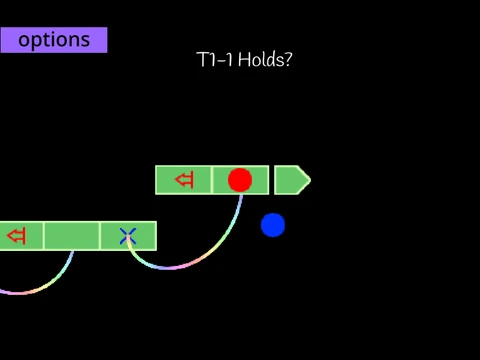
TPOT INTRO isn't the flashiest level. It doesn't have crazy visuals or complex gimmicks. What it has is precision. Every beat matters. Every millisecond counts. It's the kind of level that exposes all your weaknesses as a player—timing consistency, focus endurance, recovery from mistakes.
And playing on a subpar laptop? That adds another layer of challenge. Input lag becomes your enemy. Missed presses because the keyboard didn't register. The occasional double-tap when you only meant to press once.
But here's the thing: beating this level, finally, after all those attempts? Felt good. Not amazing, not life-changing, but... satisfying. Like I'd reclaimed a small piece of skill that had been lost. Maybe that's what keeps us coming back to games like ADOFAI. Not the big victories, but the small reclamations of competence.
Or maybe I just need a better laptop. Probably that.