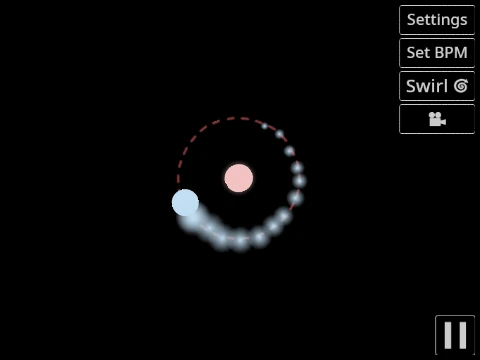
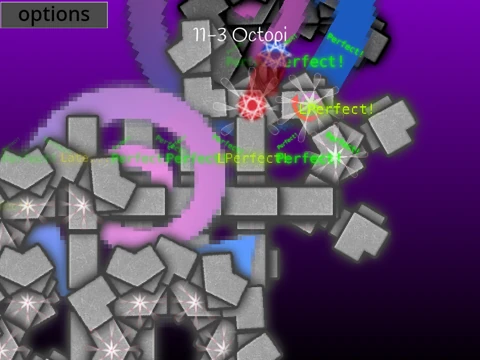
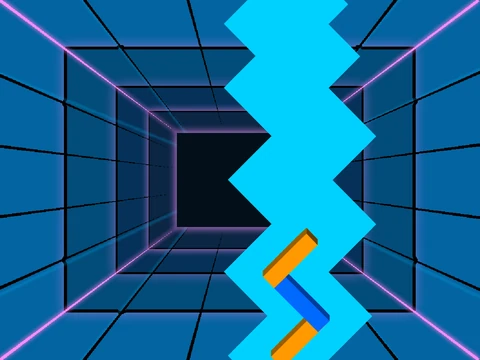
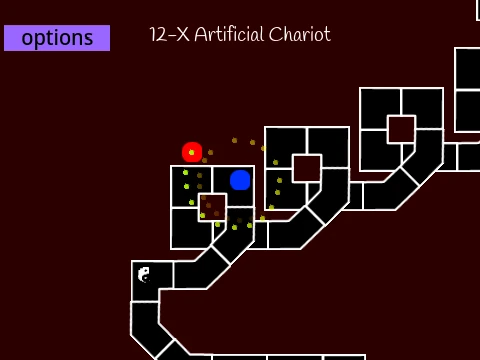
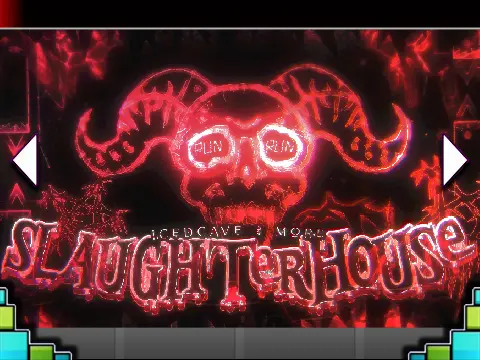
ADOFAI Editor Example
Not Just Playing, But Seeing: The ADOFAI Editor Laid Bare
Okay, so you've probably smashed your spacebar into oblivion trying to beat some insane community map, right? We all have. But have you ever stopped mid-rage-quit and wondered, "How in the world do people even make this stuff?" Like, what does the sausage factory look like for these geometric nightmares of beauty and pain?
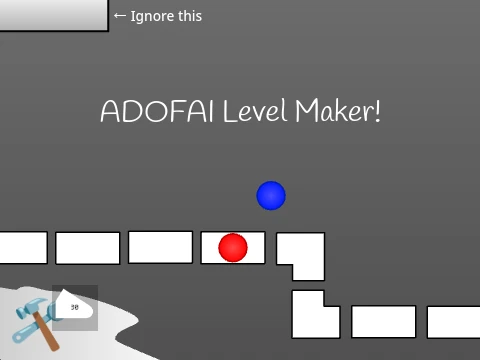
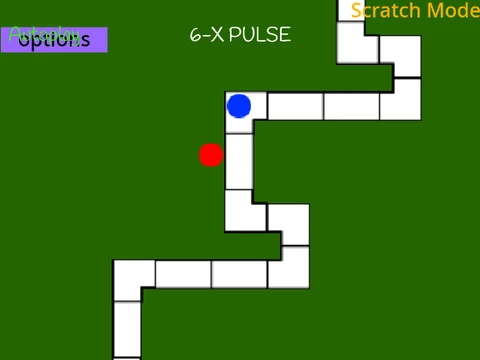
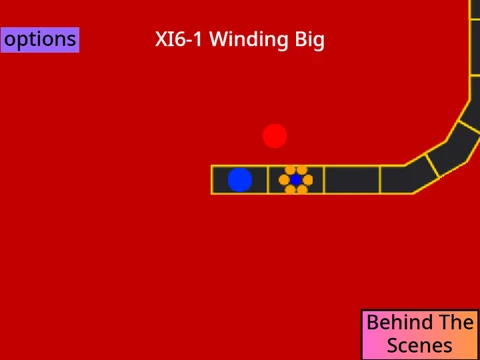
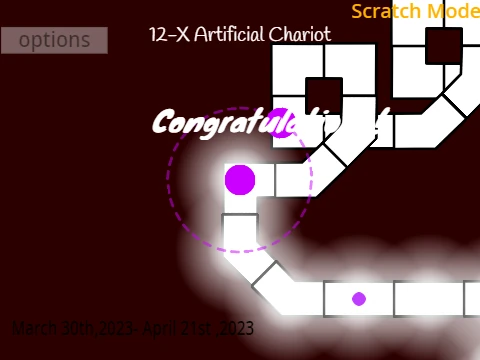
That's what this "ADOFAI Editor Example" is for. It's not a level to beat. Think of it more like... a museum exhibit. Or a behind-the-scenes tour. You're playing as a collector aiming to 100% everything, but instead of hunting achievements, you're hunting for understanding. You're in for a focused practice session, but the skill you're practicing is seeing, not just tapping.
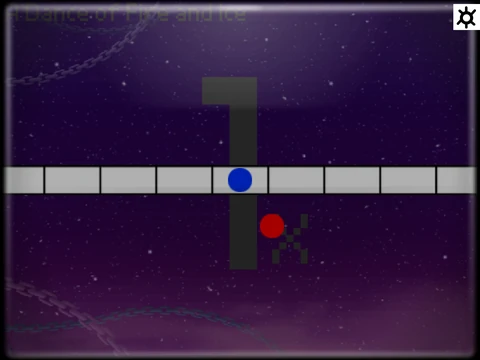
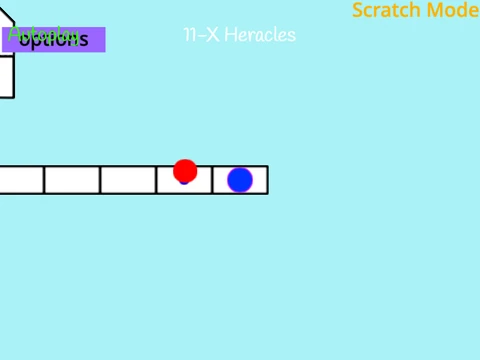
The goal here is sneaky. It wants you to use the game to improve real-world rhythm/music skills. How? By showing you the bones. You know how in the first worlds of ADOFAI, everything is clean? Straight lines, obvious curves, colors that make sense? It's like listening to a single clear piano note. Then you jump into a late-game or community map and it's a full orchestra hitting you with a wall of sound and a spinning, fractaling light show. This editor example lets you slide the scale between those two points. You can see where a simple zig-zag gets its rhythm, and how layering a spin on top of a color change on top of a zoom-out creates that overwhelming, glorious chaos that makes you fail at 99.9% because you blinked. It's terrifying how muscle memory works – you can "play" an entire level's finger movements in your head, without the music. This tool shows you why those movements were put there in the first place.
I'm trying to talk about this like a documentary narrator explaining the history of a famous level. The sound of your own keypress becomes part of the song's percussion. A metronome of suffering. But here, you're listening to the clicks of placement, the swoosh of adjusting a curve. It's a different kind of rhythm.
Playing this makes you realize something: community monster map makers aren't human. They're architects of torture and masters of rhythmic deception. But this editor example is like getting a peek at their blueprints. Maybe you'll even get the itch. The itch to play that starts in your fingers when you hear a song that would make a great map. Suddenly, you're not just a player dealing with the profound respect you develop for the official level designers (sadists, but brilliant ones). You're a potential apprentice.
So, what do you actually learn poking around here? Stuff you never thought to ask:
- Ever wondered how the level curation or featured system works on the Workshop? Seeing how a level is structured from the inside gives you clues about what makes one stand out.
- Why does that one part feel off when you change the game speed? Tinkering with timing in the editor shows how audio and visuals are glued together – and how that glue can stretch or snap.
- People always argue how ADOFAI compares to mobile rhythm games. After messing with the editor, you realize ADOFAI's complexity isn't just in playing, but in the sheer depth of possible creation, which is way beyond most mobile taps.
- And hey, if you've ever battled audio latency or sync issues, seeing how hits are precisely placed against the music waveform might just help you calibrate your own setup better.
It's a weird little demo. You won't get a high score. But you might walk away with your brain buzzing, seeing geometric patterns and potential "tap points" in everyday objects. Consider it a different kind of ADOFAI download for your mind.