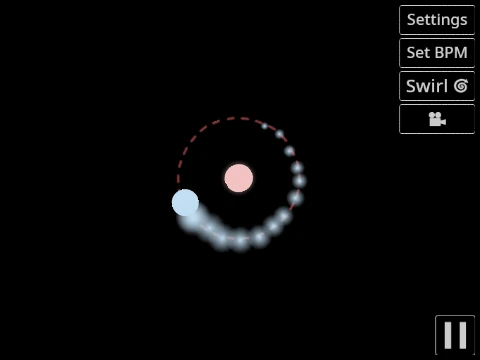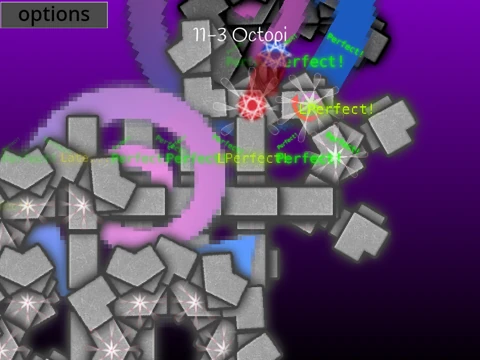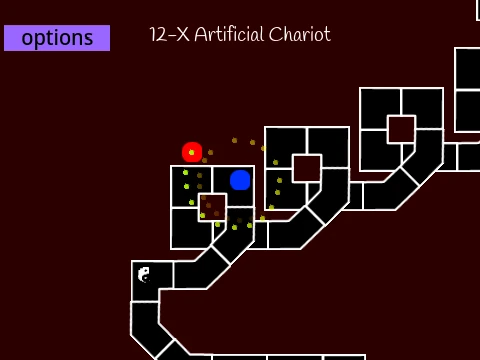
ADOFAI level
ADOFAI Level: The Detective Work of Geometry
3 AM. Dark room. Screen glow. I'm not playing. I'm reverse-engineering. This is what ADOFAI Level means to me – it's the raw material, the specimen under the microscope. I'm a community creator, supposedly, but mostly I'm a detective piecing together how the great deceptive rhythms were built. How do they hide the beat in plain sight?
The wheelchair mod debate... it's fascinating. It touches everything. Art, accessibility, what the experience is "supposed" to be. Is it cheating to simplify the visuals so you can actually follow the rhythm? Or is that just using the tools? When I analyze a level, I try to see it both ways – pure and assisted. The truth is usually in between.
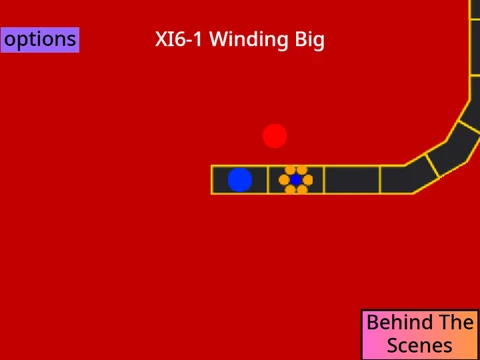
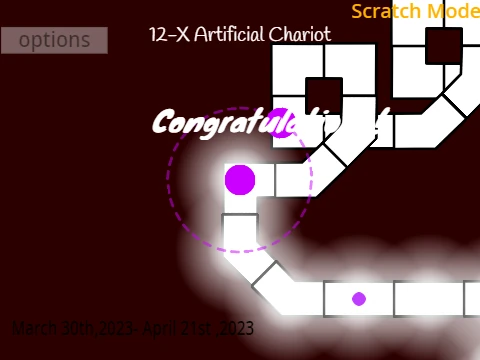
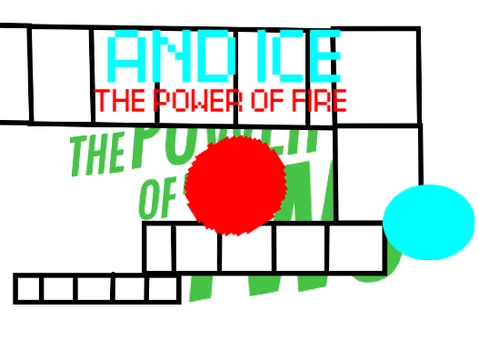
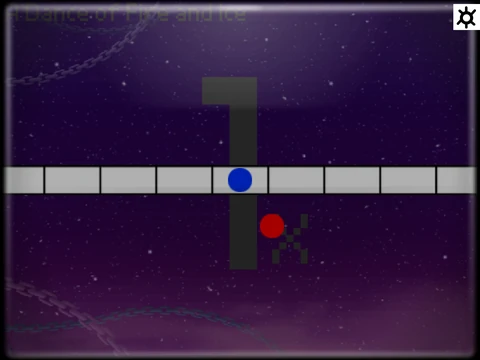
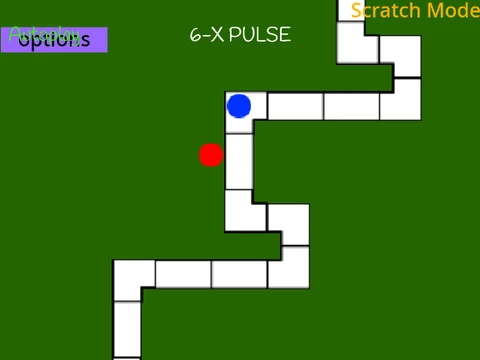
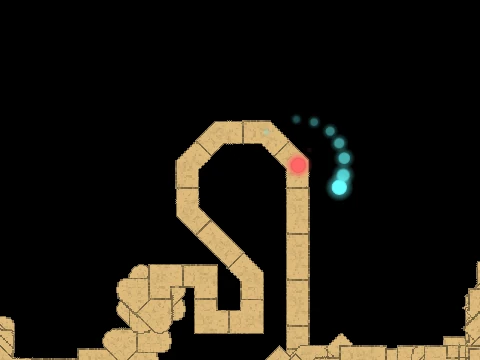
Community maps are love letters to the mechanics. Written in geometry and timing. That's what I'm trying to understand. The syntax. The grammar of spinning polygons and sudden stops. What makes a sequence feel inevitable instead of arbitrary?
And always, always, the "one more try." That's the core loop. Not of the game, but of the learning. Hope, effort, growth. Fail, analyze, adjust, hope again. It's addictive in the worst, best way.
With friends, it's different. We take turns on brutal joke levels, laughing at the absurd difficulty. Trying to guess the rhythm of something intentionally weird. It becomes a party game of shared confusion. But alone, in the dark, it's serious study.
What merchandise exists for this niche obsession? Probably not much. And the research on rhythm games and cognitive benefits? I'd believe it. My brain feels both fried and sharp after these sessions.
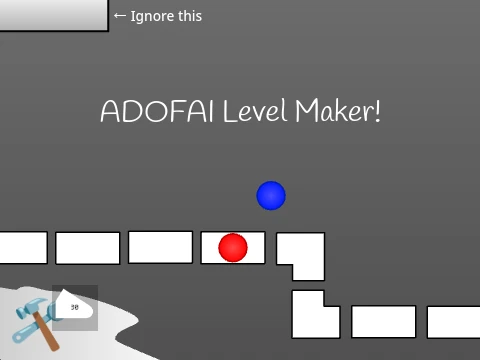
So ADOFAI Level. Download it, tweak it, use the guide, open the editor. Or just stare at it in the dark, tracing the lines of someone else's geometric love letter, trying to learn the language.