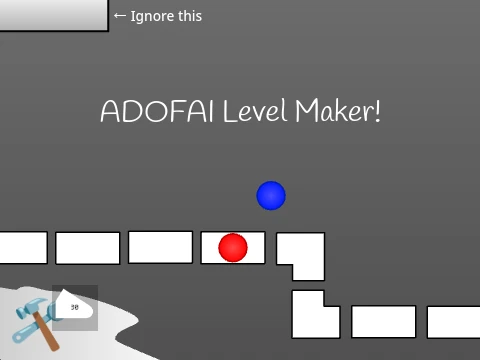
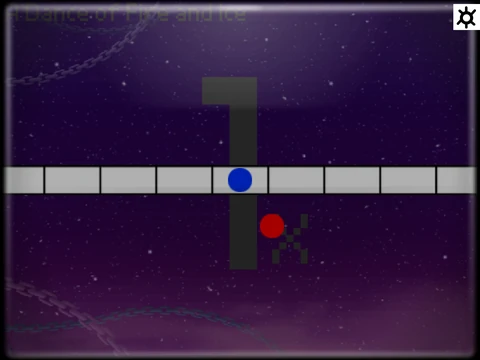
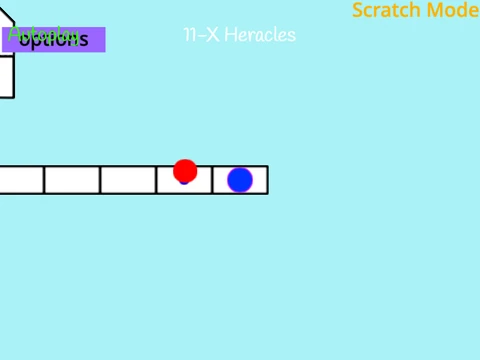
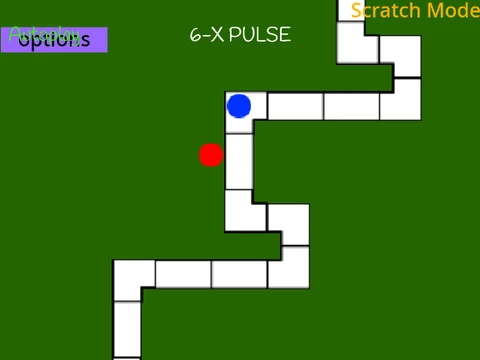
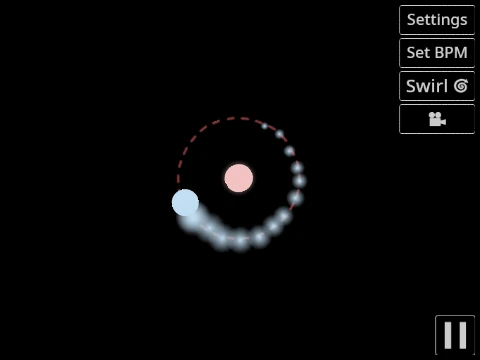
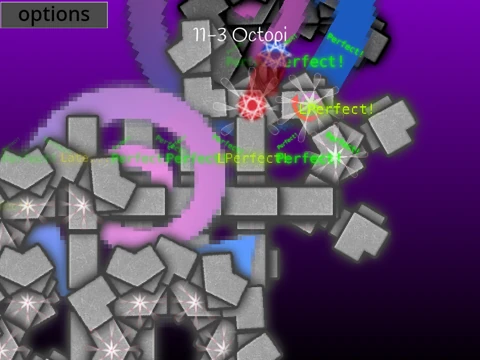
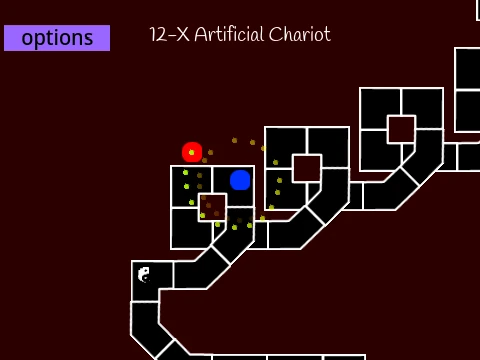
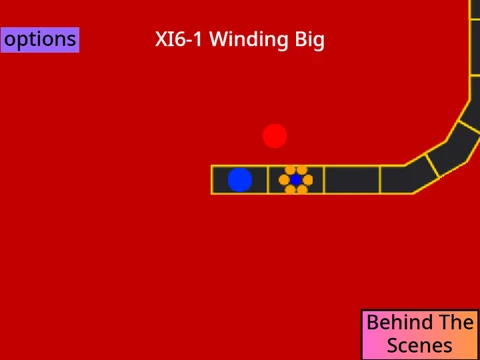
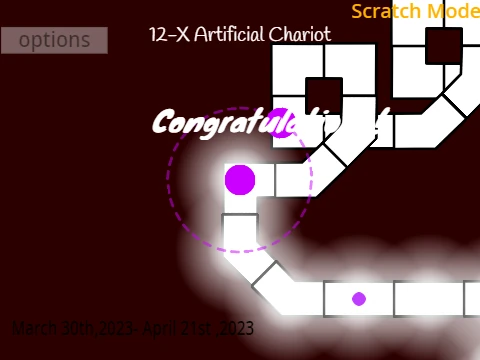
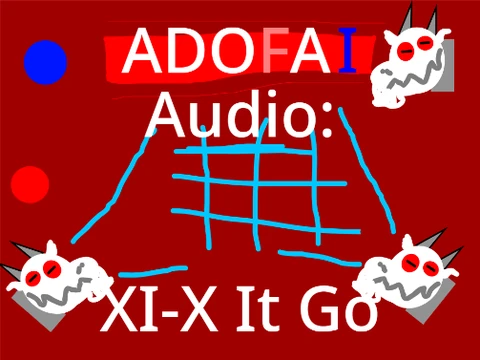
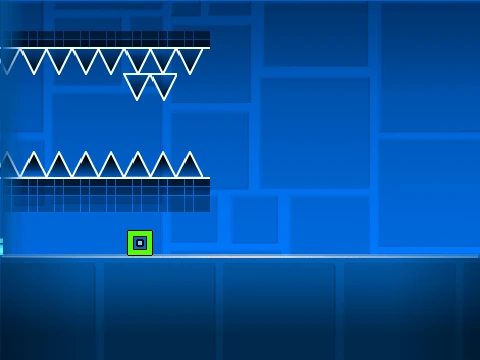
ADOFAI remake midi import edition
ADOFAI Remake MIDI Import Edition - Analyzing the Distractions
Let's talk about background effects. Seriously. Sometimes they're these brilliant rhythm cues that help you lock into the beat. Other times... they feel like they were put there by some cruel deity specifically to mess with you. Like visual noise pollution.
If you're playing with accessibility mods - color adjustments, visual aids, whatever helps you actually see what's happening - you already know this struggle. You're live streaming, people are cheering you on (or laughing at your fails, same difference), and you're trying to improve your accuracy. Not just clear levels, but hit them cleanly.
Here's an analytical breakdown: there's a difference between rhythmically dense tracks (lots of notes close together) and rhythmically complex ones (weird patterns, syncopation, off-beat stuff). The former tests your speed and consistency. The latter tests your brain's ability to parse unconventional timing.
The coolest tracks, in my opinion, are the ones that sync their pulsations to the sub-bass. You don't really see it as much as feel it. It's this physical feedback that goes beyond just audio-visual. Makes you wonder if the mapper was thinking about accessibility or just going for maximum vibe.
This "remake midi import edition" thing interests me from an engineering perspective. MIDI import suggests custom music integration, which raises questions:
- Is ADOFAI available on mobile devices (iOS/Android)? (Because MIDI stuff often crosses between desktop and mobile workflows)
- What audio feedback options are available for hits/misses? (Crucial for accuracy training - you need clear, immediate feedback)
When you're streaming, especially with an audience, every fail feels amplified. But so does every success. That chat going wild when you finally nail a section you've been stuck on for an hour? That's the good stuff.
But back to the analysis. The real challenge in ADOFAI isn't just hitting notes. It's filtering signal from noise. The background that helps vs. the background that hinders. The visual effects that guide vs. those that distract.
For players focused on accessibility, this distinction is everything. What looks "cool" to most players might be literal visual torture for others. What's an artistic flourish to the mapper might be an impossible barrier to someone with different visual processing.
So a remake that focuses on MIDI import... that suggests customizability. The ability to bring in your own tracks, control the visual presentation, maybe tweak the timing windows. From an analytical standpoint, that's fascinating. It turns the game from a fixed experience into a platform for rhythmic experimentation.
Not saying it's for everyone. But if you're the type who cares more about accuracy than flash, who wants to understand the why behind each design choice... yeah, this might be worth checking out.
Just be prepared to explain to your stream why you're spending 20 minutes analyzing the sync between a kick drum and a rotating hexagon. They'll either get it or think you've lost your mind. No in-between.