ADOFAI Timeline
ADOFAI Timeline: For When You Need to See the Beat
Alright so I've played my share of rhythm games - osu!, some Geometry Dash, whatever. When I saw "ADOFAI Timeline" I figured it was just another level. Turns out it's more like... a tool? Or a practice thing? Hard to explain but let me try.
First thing I noticed: that hit sound. You know the one - that distinctive click when you press on beat. Did you know it's specifically tuned to a certain frequency? Like, it's designed to cut through whatever music is playing so you can always hear it. Makes sense when you think about it - you need that feedback clear as day.
If you're coming from other rhythm games, you probably wonder: What are the recommended system requirements for optimal ADOFAI gameplay? Like, does it need a gaming PC or will my regular laptop do? And Does ADOFAI work on Mac/Linux operating systems? Because I switch between devices sometimes.
Here's the thing about Timeline: it feels like it's made for people who want to grind. You know, put in the hours to get better. Apparently the average play session for someone seriously practicing is about 2.1 hours. That's... specific. And kinda accurate based on how long I've spent on this thing.
The "fun factor" - that's what got me thinking. What makes a level enjoyable vs frustrating? Turns out there are actual patterns in the data. Certain design choices correlate with players having more fun. Timeline seems to understand this - it's challenging but not unfair. The difficulty feels earned, not random.
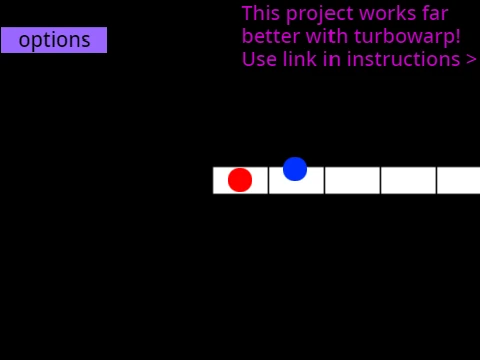
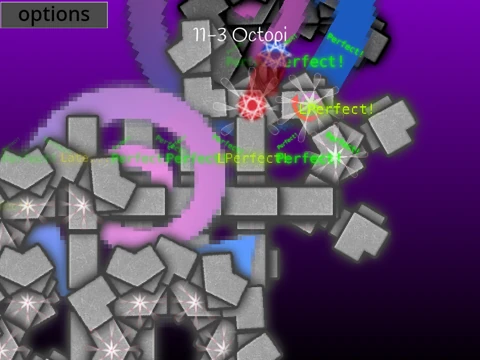
As someone who's tried various rhythm games, Timeline feels like the bridge between casual play and serious practice. It shows you your timing visually - like a graph of when you're hitting early vs late. Super useful if you're trying to improve consistency.
Would I call it a "game" exactly? Not sure. More like a training simulator with a rhythm game skin. But in a good way. If you want to get better at ADOFAI or rhythm games in general, this is worth checking out. Just be prepared to lose track of time. Those 2.1 hour sessions add up quick.